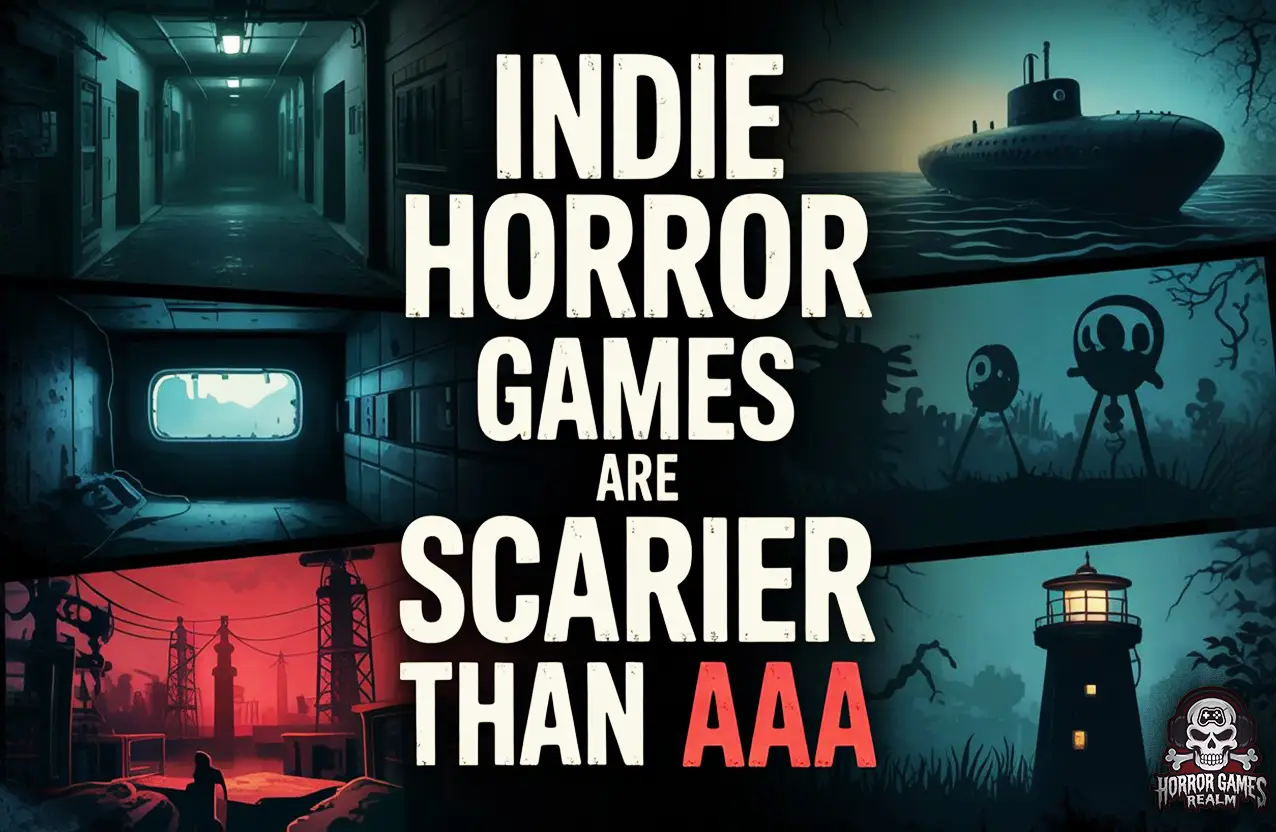
Big budgets don’t automatically create fear.
In fact, some of the most disturbing, unforgettable horror experiences in gaming didn’t come from massive studios with cinematic trailers and multimillion-dollar marketing campaigns. They came from small teams ,sometimes just a handful of developers ,who weren’t afraid to make players uncomfortable.
Indie horror feels different. More intimate. More personal. And often… more terrifying.
Here’s why.
Indie Horror Feels Personal ,Not Polished
AAA horror games are built for wide audiences. They need to sell millions of copies. That often means balancing fear with accessibility ,more action, more spectacle, more cinematic moments.
Indie horror doesn’t have to play it safe.
When you play games like MADiSON or Iron Lung, you can feel how focused the experience is. There’s no filler. No unnecessary mechanics. No blockbuster pacing to break tension.
Just atmosphere. Just discomfort.
It feels like someone designed it specifically to unsettle you ,not to impress investors.
Smaller Scope Means Stronger Fear
AAA games often stretch across 15-30 hours. That requires pacing breaks, safe zones, combat upgrades ,or downtime to prevent fatigue.
Indie horror often does the opposite.
Shorter runtime. Tighter design. No escape.
In Amnesia: The Bunker, tension rarely releases. Resources are scarce. The creature isn’t scripted to appear at convenient times. It adapts. It reacts. You feel hunted ,constantly.
Indie horror concentrates fear instead of spacing it out.
And concentrated fear hits harder.
Creative Freedom Leads to Risk
Large studios can’t afford creative experiments that alienate players. Indie developers can.
That freedom creates strange, uncomfortable experiences you wouldn’t see in mainstream horror.
Mouthwashing doesn’t rely on constant threats. It builds emotional dread through dialogue, atmosphere, and deeply uncomfortable themes.
No One Lives Under the Lighthouse uses retro visuals and surreal pacing to create unease without traditional horror tropes.
These games don’t care if they’re “market friendly.” They care if they make you feel something.
Atmosphere Over Spectacle
AAA horror often emphasizes:
- Cinematic cutscenes
- Explosions
- Action sequences
- High-production monster reveals
Indie horror focuses on:
- Sound design
- Silence
- Isolation
- Ambiguity
In SOMA, the horror lingers in your thoughts long after you stop playing , It’s not about what jumps at you ,it’s about what it makes you question.
Indie horror trusts the player’s imagination.
And imagination is often scarier than anything rendered in 4K.
Emotional Vulnerability Feels More Real
There’s something raw about indie horror.
It doesn’t always feel “polished.” And that imperfection can make it more believable. More human.
Many indie horror games explore:
- Trauma
- Isolation
- Guilt
- Grief
- Mental instability.
They don’t just try to scare you ,they try to disturb you.
And that emotional vulnerability hits differently than cinematic horror set pieces.
You Feel Alone
AAA horror often reminds you that you’re in a system. There are HUD elements. Clear objectives. Structured encounters.
Indie horror sometimes strips that away.
Minimal UI. Unclear direction. Limited guidance.
In games like Lost in Vivo ,you feel genuinely lost. Not because the game tells you to feel lost ,but because it doesn’t comfort you.
That lack of reassurance makes the experience more intense.
Fear Without Compromise
Indie developers don’t need to:
- Appeal to mass-market demographics
- Include mandatory action sequences
- Add monetization hooks
- Design around franchise expectations
They can commit fully to tone.
That’s why indie horror often feels uncompromising. It doesn’t dilute its atmosphere to stay entertaining.
It stays uncomfortable.
Final Thoughts
AAA horror can be impressive ,cinematic ,Technically stunning.
But indie horror often feels braver.
It experiments ,It disturbs ,it isolates ,it risks making players uncomfortable ,and that’s where real fear lives.
The scariest horror games aren’t always the loudest or the biggest.
Sometimes they’re the quiet ones.
The strange ones.
The ones that don’t try to impress you ,they just try to unsettle you.
And that’s exactly why indie horror so often feels scarier.
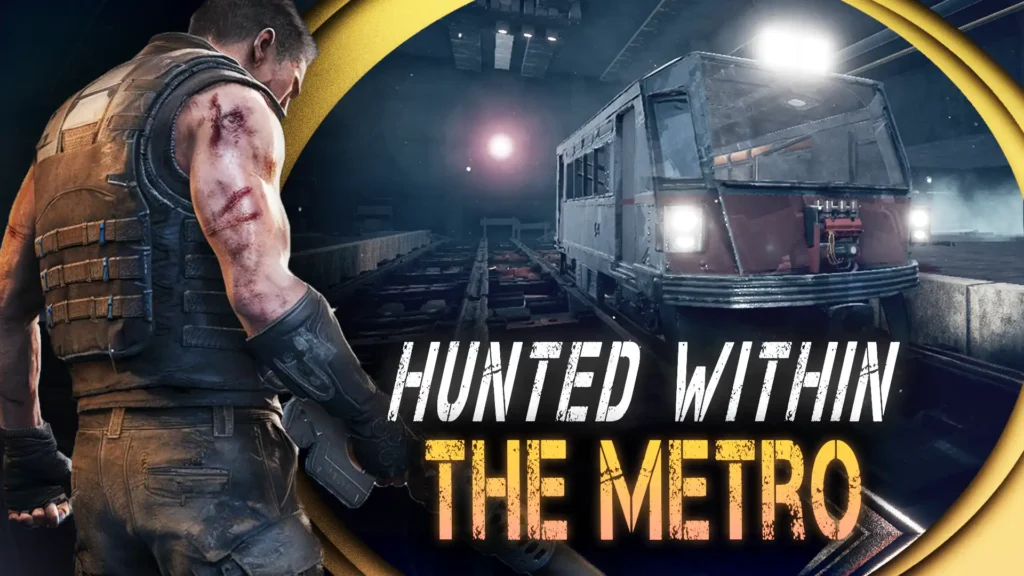
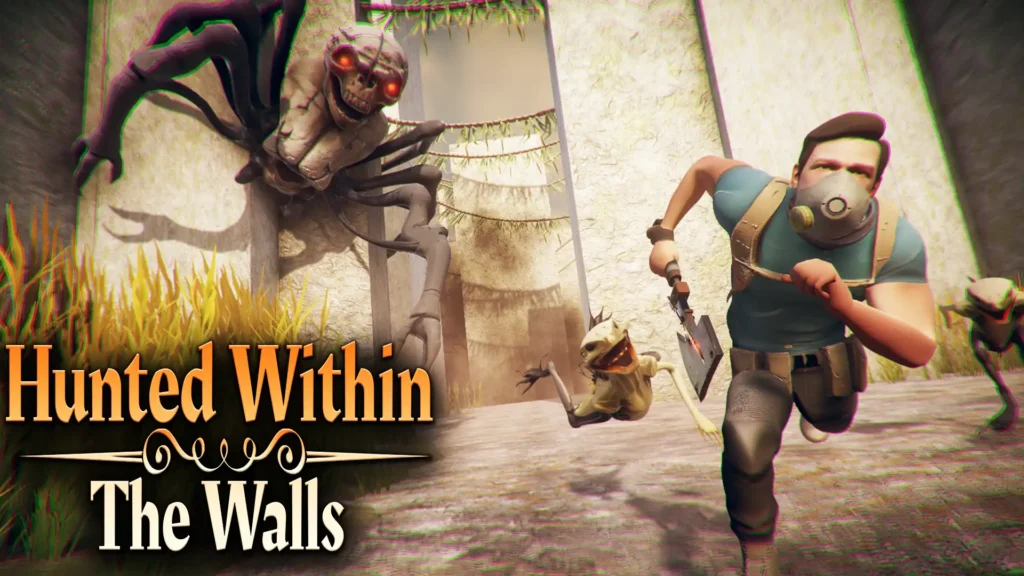
You Can also check our Horror games collection here:
You can also check the Underrated Indie Horror Games Nobody Talks About.
You can also check the full indie horror games guide here.