
Psychological horror isn’t about sudden shocks. It’s about unease that settles in, doubt that grows, and fear that follows you even after you stop playing. These games don’t just scare you ,they get inside your head.
As a professional gamer since 1998, these are the psychological horror games that left the deepest mental scars, not because of action or difficulty ,but because of how effectively they manipulate atmosphere, sound, and perception.
- Silent Hill 2
The gold standard of psychological horror. Fear here is rooted in guilt, repression, and symbolism. Enemies, environments ,and music all reflect the protagonist’s mental state.
This isn’t horror you escape ,it’s horror you’re forced to confront.
Psychological trigger: Guilt and emotional trauma
- P.T.
A short experience that permanently reshaped horror design ,By repeating the same space with subtle changes, P.T. creates paranoia through anticipation.
Nothing dramatic happens ,and that’s exactly why it’s terrifying.
Psychological trigger: Anticipation and uncertainty
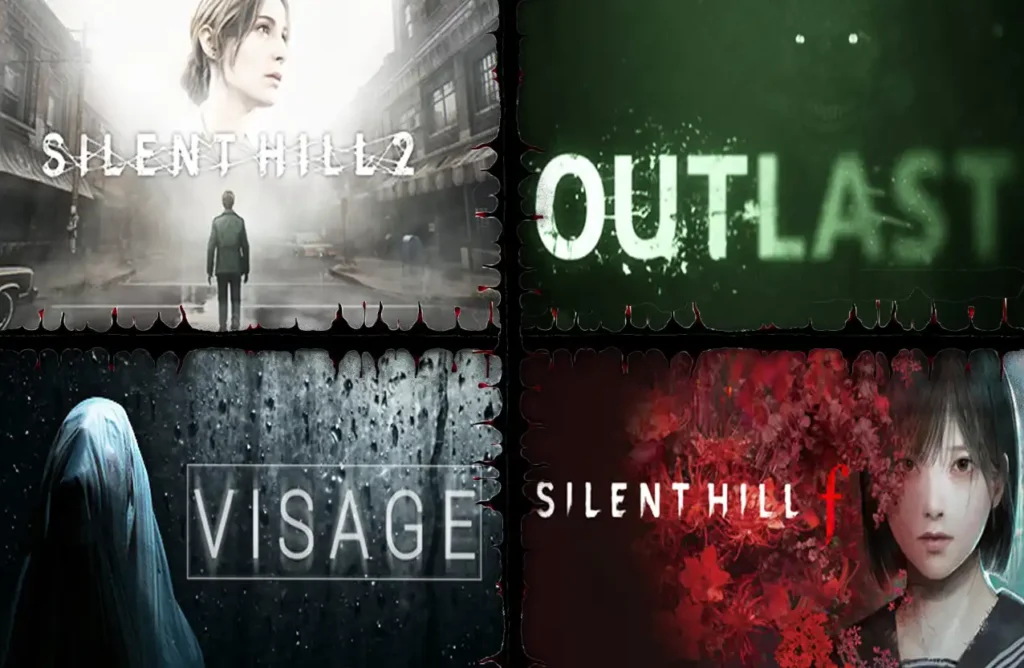
- Silent Hill f
A modern reimagining of psychological horror that leans heavily into cultural symbolism, body horror ,and unease. Rather than relying on nostalgia, it aims to disturb through atmosphere and unfamiliar imagery.
Its horror is slow, invasive ,and uncomfortable.
Psychological trigger: Cultural dread and unease
- Outlast
Total vulnerability defines Outlast. You can’t fight back ,only run, hide, and endure. The lack of control creates sustained anxiety rather than momentary fear.
The horror comes from helplessness ,not monsters.
Psychological trigger: Powerlessness and panic
- Visage
A spiritual successor to P.T., Visage turns familiar domestic spaces into psychological traps. Hallways ,bathrooms, and living rooms become sources of dread.
The game thrives on slow escalation and mental exhaustion.
Psychological trigger: Loss of safety in familiar spaces
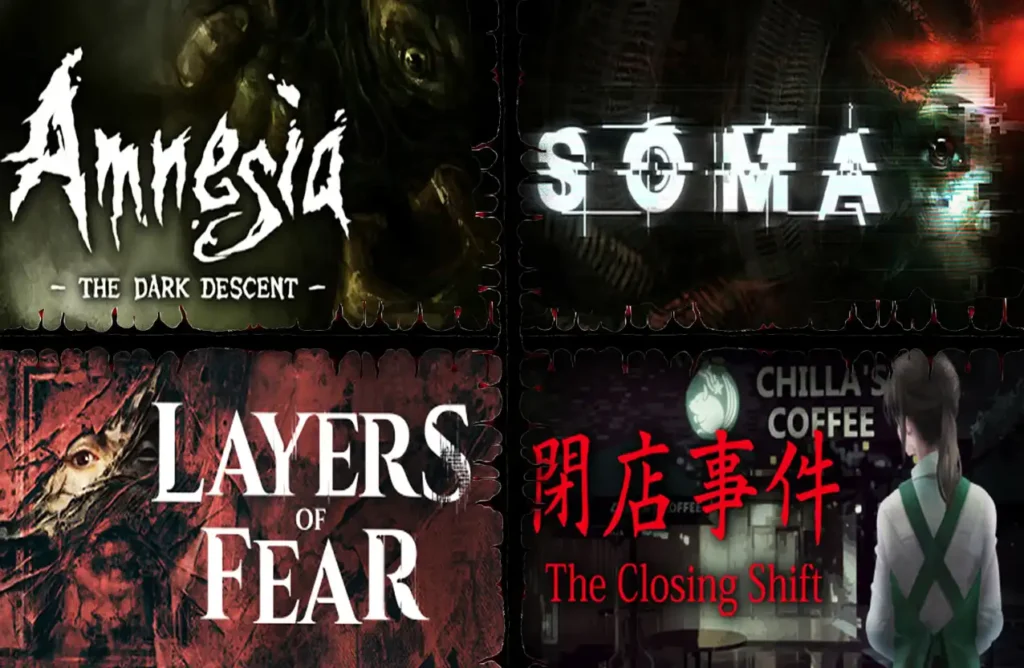
- Amnesia: The Dark Descent
One of the most influential psychological horror games ever made. Fear comes from darkness, sound ,and the constant threat of losing your sanity.
It teaches players to fear what they can’t see.
Psychological trigger: Fear of the unseen and mental collapse.
- SOMA
SOMA delivers existential horror at its peak. The scariest moments don’t involve enemies ,they come from philosophical questions about identity, consciousness ,and what it means to exist.
The dread lingers long after the credits roll.
Psychological trigger :Existential fear and identity loss
- Layers of Fear
Reality itself becomes unreliable as environments shift based on the protagonist’s fractured mind. Rooms change when you look away ,reinforcing the feeling that nothing is stable.
It’s a descent into obsession and madness.
Psychological trigger: Unreliable perception
- Fatal Frame II :Crimson Butterfly
This game uses emotional attachment, folklore, and sound design to build fear slowly. Combat is intimate and uncomfortable, forcing players to face what scares them.
Its melancholy tone makes the horror feel personal.
Psychological trigger :Emotional attachment and loss
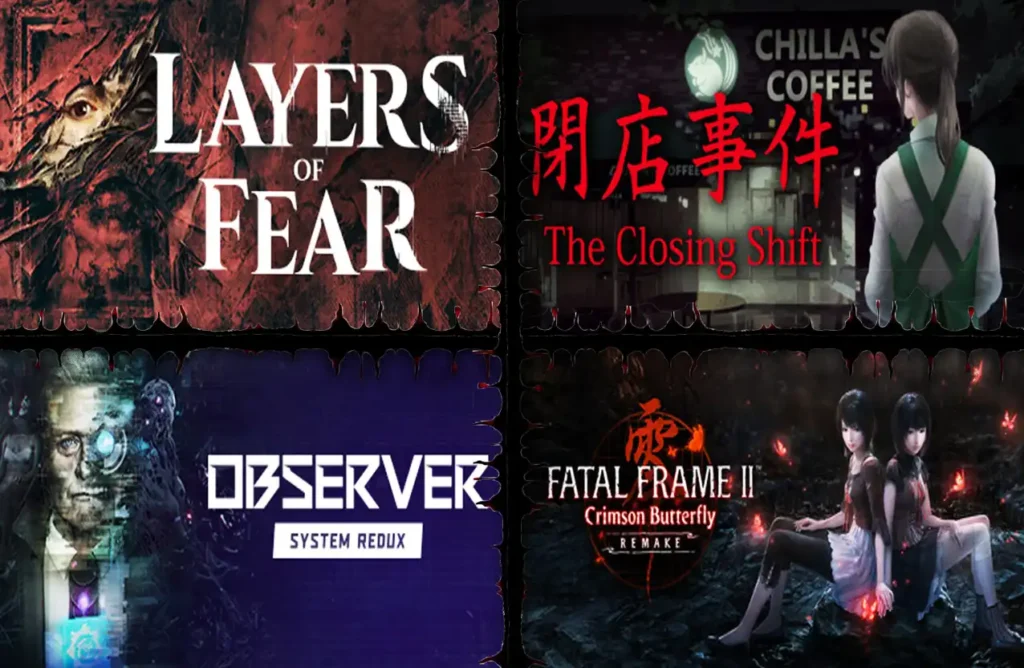
- The Closing Shift
A minimalist experience that exploits routine and isolation. Mundane tasks become threatening, and the horror creeps in quietly through small details.
It proves you don’t need spectacle to create fear.
Psychological trigger :Paranoia through isolation
- Observer
A cyberpunk psychological horror that explores memory invasion and identity fragmentation ,Diving into broken minds creates disturbing imagery and emotional discomfort.
It’s horror rooted in technology and the self.
Psychological trigger: Identity erosion
- Cryostasis: Sleep of Reason
Set in a frozen wasteland, Cryostasis combines isolation, hallucination ,and environmental storytelling. The environment itself feels hostile and disorienting.
Fear comes from loneliness as much as danger.
Psychological trigger: Isolation and disorientation
Related steam pages
- SILENT HILL 2 Steam page.
- SILENT HILL f Steam page.
- Outlast Steam page.
- Visage Steam page.
- Amnesia: The Dark Descent Steam page.
- SOMA Steam page.
- Layers of Fear Steam page.
- The Closing Shift Steam page.
- Observer: System Redux Steam page.
- FATAL FRAME II: Crimson Butterfly REMAKE Steam page.
Check Epic games store for the unlisted titles.
Why Psychological Horror Hits Harder
Psychological horror works because it doesn’t rely on reflexes. It relies on time, repetition ,and implication. These games allow fear to grow naturally ,often by taking control away from the player or distorting reality itself.
Instead of asking “Can I survive this?”, psychological horror asks:
- Can I trust what I’m seeing?
- Am I safe here?
- What does this mean about me?
That’s why these games linger.
Final Thoughts
The scariest psychological horror games aren’t always the loudest or most graphic. They’re the ones that make you hesitate before turning a corner ,doubt your senses, or sit in silence after shutting the game down.
If survival horror tests your resource management ,psychological horror tests your mind ,and these games are the strongest examples the genre has ever produced.
You Can Check our Steam Horror Games Collection here:
You can also check the Best Psychological Horror Games Ultimate Guide.